There are no items in your cart
Add More
Add More
| Item Details | Price | ||
|---|---|---|---|

Every trader has been there — watching a stock finally break above resistance, entering confidently, and then seeing it collapse within hours. What looked like a perfect breakout turns into a painful reversal.
Welcome to one of the market’s oldest and smartest tricks: the failed breakout and breakdown trap. These traps are not random. They are engineered by the same forces that move the market — the smart money. Understanding how and why they happen can save you from countless losses and help you align with the true direction of the market.
A failed breakout occurs when price moves beyond a key level (support or resistance), attracts traders into the move, and then reverses sharply in the opposite direction.
The opposite — a failed breakdown — happens when price breaks below support, triggers stops, and then reverses upward. Both patterns are designed to trap traders who trade mechanically rather than contextually.
Markets need liquidity — and liquidity comes from emotional traders.
Failed breakouts expose how emotional trading can be costly.
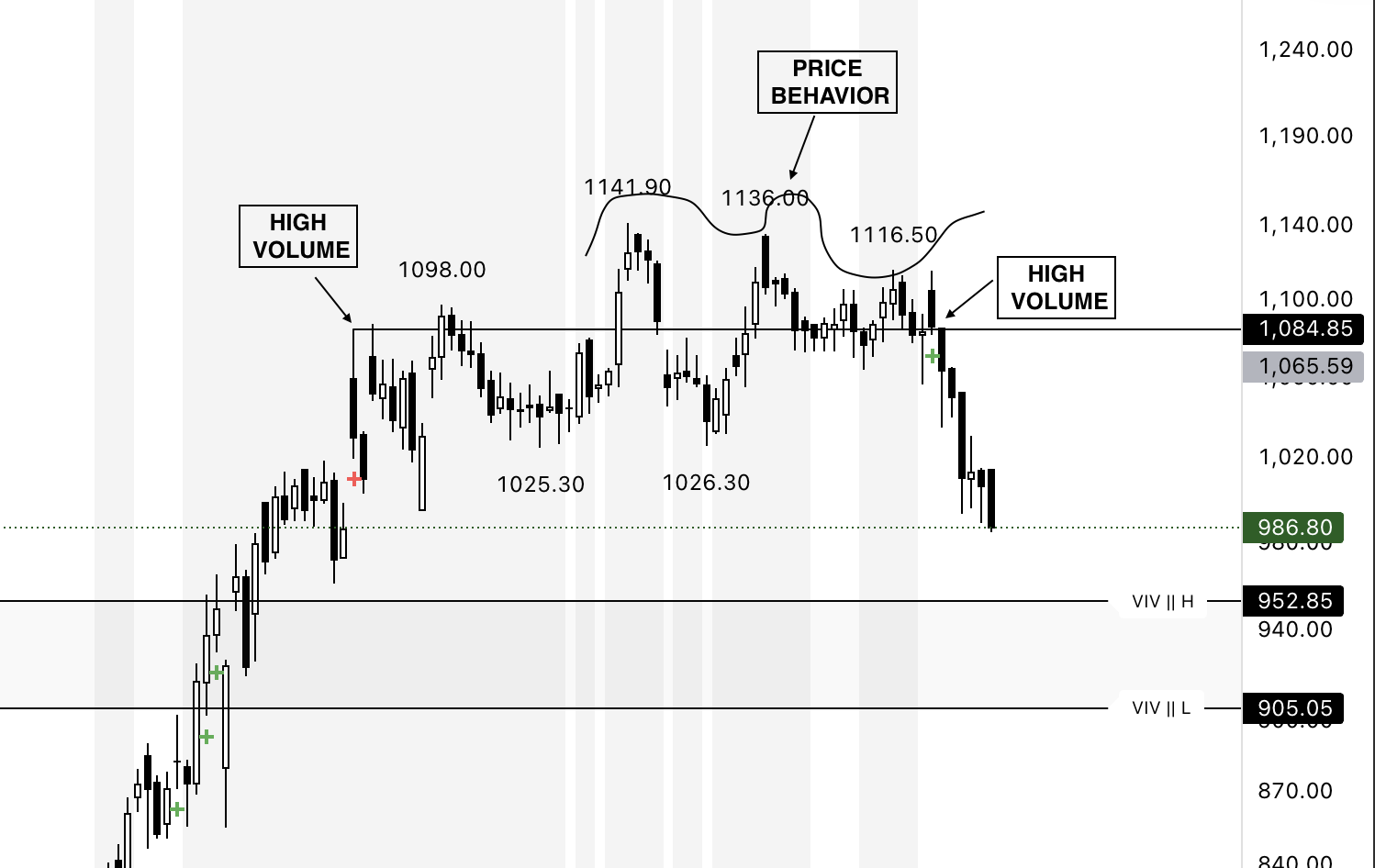
Price action isn’t about guessing direction — it’s about understanding behavior.
Failed breakouts and breakdowns are not accidents; they’re deliberate liquidity events. Once you learn to recognize them, you stop being trapped and start trading alongside the professionals who create them. The key is context over confirmation — don’t react to price, interpret it.
A trader who learns to see deception in the market gains an edge no indicator can provide. Failed breakouts and breakdown traps are lessons in patience, observation, and emotional discipline.
The next time price surges past a key level, don’t rush to join — step back and watch. The truth always reveals itself in the footprints left behind.
Trade less emotionally, trade more intelligently — that’s real price action mastery.

By Sunil Sethi
Trading markets since 2016 | Swing & Positional trader | Price Action | Reversals
Building clarity in the chaos of charts — blending tech leadership with market mastery.